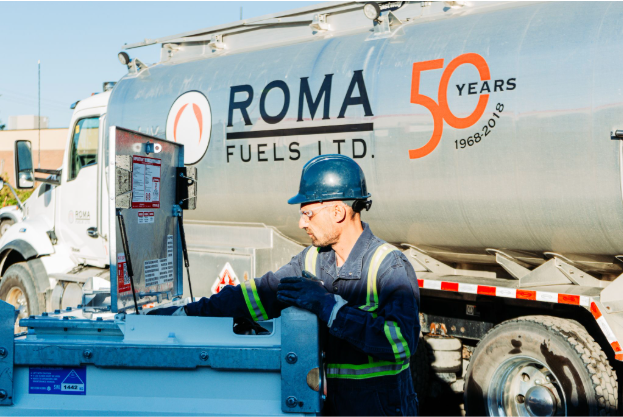
Fuel is one of the most critical resources on any construction site. Excavators, loaders, generators, skid steers, and other heavy equipment depend on a consistent fuel supply to keep projects moving forward. Yet many construction companies still rely on manual tank checks and reactive refueling schedules, which can create unnecessary risks and costly delays.
As construction projects become more complex and timelines become tighter, fuel tank monitoring is emerging as an essential tool for improving efficiency, reducing downtime, and strengthening fuel management practices.
For contractors across the Greater Toronto Area and throughout Ontario, combining fuel tank monitoring with reliable bulk fuel delivery and on-site fueling services can help eliminate many of the challenges associated with managing fuel inventory. As a provider of bulk fuel delivery, on-site fleet refueling, fuel management solutions, and tank services, Roma Fuels helps businesses maintain a reliable fuel supply while improving operational efficiency.
What Is Fuel Tank Monitoring?
Fuel tank monitoring uses digital sensors and reporting technology to track fuel levels within above-ground or underground storage tanks.
Instead of relying on manual measurements or waiting until equipment runs low on fuel, construction managers can view fuel inventory in real time. Depending on the system, alerts can be generated when fuel levels reach predetermined thresholds, helping teams schedule deliveries before shortages occur.
For construction companies operating multiple job sites, fuel tank monitoring provides greater visibility into fuel consumption patterns and inventory levels across their operations.
Why Running Out of Fuel Is More Expensive Than Many Contractors Realize
Most contractors understand that fuel shortages are inconvenient. However, the true cost often extends well beyond the price of an emergency fuel delivery.
When a critical piece of equipment runs out of fuel, crews may be forced to stop work entirely. Deadlines can be affected, operators remain idle, and project schedules become more difficult to maintain. Even a short disruption can have a ripple effect across an entire construction site.
Fuel-related downtime is already recognized as one of the most significant hidden costs facing construction and fleet operations. Roma Fuels recently highlighted how on-site fueling helps businesses minimize interruptions and maintain productivity throughout the workday.
Fuel tank monitoring helps prevent these situations by ensuring site managers have accurate visibility into available fuel before shortages become operational problems.
How Fuel Monitoring Supports Better Fuel Management
One of the most valuable benefits of fuel monitoring is improved fuel management.
Many businesses struggle with balancing fuel inventory. Ordering too frequently can create unnecessary logistics costs, while waiting too long increases the risk of shortages.
With real-time monitoring, fuel purchases can be based on actual consumption rather than estimates. Construction managers gain better insight into usage trends, allowing them to plan deliveries more effectively and maintain optimal inventory levels.
This aligns closely with the principles of total fuel management, where fuel delivery, inventory tracking, and operational planning work together to improve efficiency and reduce costs. Roma Fuels offers comprehensive fuel management solutions designed to help businesses optimize fuel consumption while maintaining reliable access to fuel.
Reducing Emergency Fuel Deliveries
Emergency fuel deliveries are often significantly more disruptive than scheduled deliveries.
When fuel levels are unknown, site managers may discover a shortage only after operations are already affected. This creates pressure to secure immediate fuel delivery and can force adjustments to work schedules.
Fuel tank monitoring allows businesses to take a proactive approach. Automated alerts help identify low inventory levels early enough to schedule regular deliveries before operations are impacted.
For busy construction projects operating on strict deadlines, reducing emergency deliveries can improve planning, lower stress, and support smoother project execution.
Improving Accountability Across Multiple Sites
Construction companies managing multiple projects simultaneously often face additional fuel management challenges.
Without centralized visibility, it can be difficult to track fuel inventory at each location. Site supervisors may have different reporting methods, making it harder to identify trends or potential issues.
Fuel monitoring systems provide standardized reporting and centralized access to fuel data. Decision-makers can view inventory levels across multiple sites and coordinate fuel deliveries more efficiently.
This level of visibility becomes increasingly valuable as businesses grow and operate larger fleets or multiple active projects throughout Ontario.
Fuel Monitoring and Theft Prevention
Fuel theft remains a concern for many construction companies.
While monitoring systems cannot eliminate theft, they can help identify unusual consumption patterns that may warrant investigation. Unexpected fuel losses, abnormal usage rates, or unexplained inventory discrepancies often become easier to detect when fuel levels are continuously monitored.
Early visibility allows businesses to respond more quickly and implement corrective measures before losses become significant.
For organizations investing heavily in fuel inventory, this added layer of oversight can provide valuable peace of mind.
Frequently Asked Questions About Fuel Tank Monitoring
How does fuel tank monitoring work?
Fuel monitoring systems use sensors installed within storage tanks to measure fuel levels. Data is transmitted to a monitoring platform where users can view inventory levels and receive alerts when fuel reaches specified thresholds.
Is fuel tank monitoring only useful for large construction companies?
No. While larger organizations often benefit from managing multiple locations, smaller contractors can also improve efficiency and reduce fuel-related downtime through monitoring technology.
Can fuel monitoring help reduce operational costs?
Yes. By improving inventory management, reducing emergency deliveries, and preventing fuel shortages, monitoring systems can support more efficient fuel management practices.
Does fuel monitoring work with bulk fuel delivery programs?
Absolutely. Fuel monitoring and bulk fuel delivery often complement each other by helping businesses schedule deliveries based on actual inventory levels and fuel consumption patterns.
The Future of Construction Fuel Management
Construction companies are increasingly adopting technology to improve productivity, safety, and operational efficiency. Fuel management is no exception.
As project timelines become tighter and operating costs continue to rise, businesses need better visibility into one of their most important operational resources. Fuel tank monitoring provides the data necessary to make smarter decisions, reduce downtime, and improve overall site performance.
When combined with reliable bulk fuel delivery and on-site fueling services, monitoring technology creates a more proactive and efficient approach to managing fuel inventory.
For Ontario contractors looking to maximize uptime and streamline operations, fuel tank monitoring is quickly becoming less of a luxury and more of a necessity.
Looking for a smarter way to manage fuel on your construction site?
Contact our team today to learn how fuel monitoring and reliable fuel delivery can help keep your projects running efficiently.